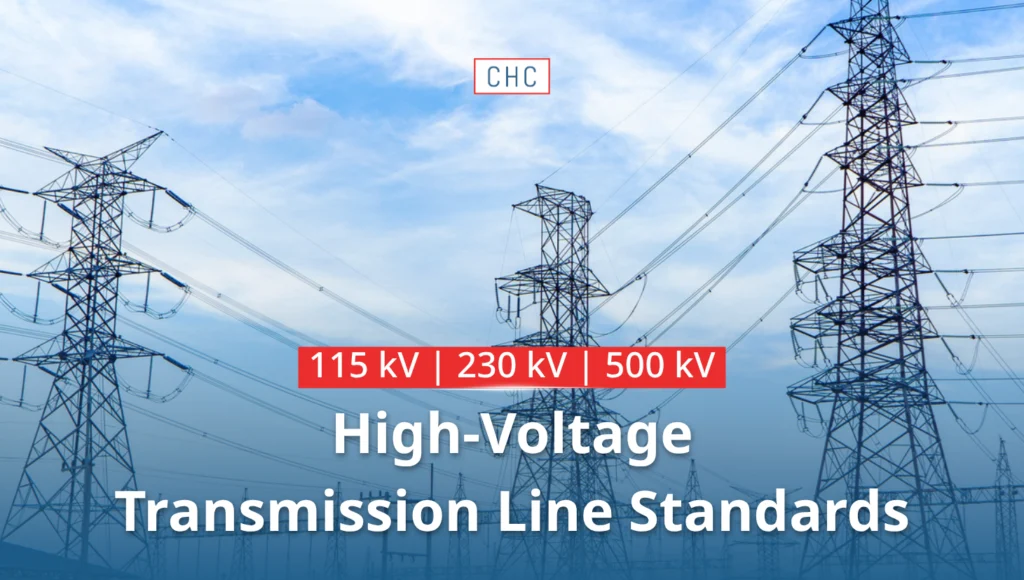
High-voltage transmission line networks serve as the vital infrastructure of the national power grid, efficiently transferring bulk electricity from power generation sources to regional substations and major industrial hubs. Selecting the appropriate voltage level—whether 115 kV, 230 kV, or 500 kV—is an essential engineering decision that dictates overall system efficiency, operational safety, and long-term infrastructure investment.
The core principle of high-voltage energy transport relies on elevated voltages to significantly reduce electrical current, minimizing thermal line losses across long distances. As system capacity increases, support structures, phase conductors, and Right-of-Way (ROW) safety corridors are scaled up in strict compliance with utility standards set by EGAT and PEA to guarantee maximum safety for the project and surrounding environments.
115 kV Systems: Localized Distribution & Industrial Hub Supply
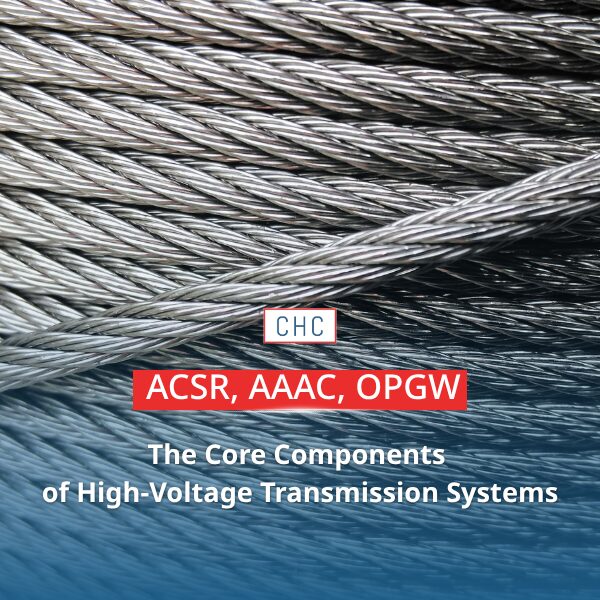
Designed for localized power distribution, sub-transmission networks, and direct high-voltage supply to industrial estates or heavy industrial consumers. To fit urban and industrial spaces, structures are kept compact, utilizing steel monopoles or compact lattice towers (25–35 meters high) with single-conductor cables per phase (ACSR or AAAC) alongside a single OPGW line for integrated lightning protection and communication.
230 kV Systems: Inter-Provincial Transmission Corridors
Engineered as primary inter-provincial transmission corridors, connecting major power generation plants to the national grid to support nationwide power distribution. These systems utilize heavy-duty steel lattice towers (35–50 meters high) with twin-bundle conductors (2 cables per phase, such as ACSR, AAAC, or TACSR) to handle substantially higher current capacities.
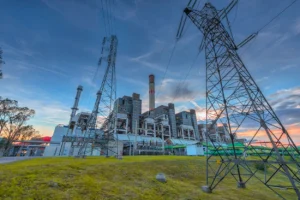
500 kV Extra-High Voltage Systems: National Bulk Transmission Grid
Serving as the primary national EHV transmission network, 500 kV lines move massive power loads across major regions over long distances with minimal line loss. These networks demand extra-large steel lattice towers (50–70+ meters high), quad-bundle conductors (4 cables per phase), and dual OPGW lines to provide redundant grid communications and maximum operational reliability.
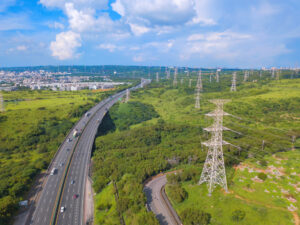
Stringing Techniques & Smart Grid Integration
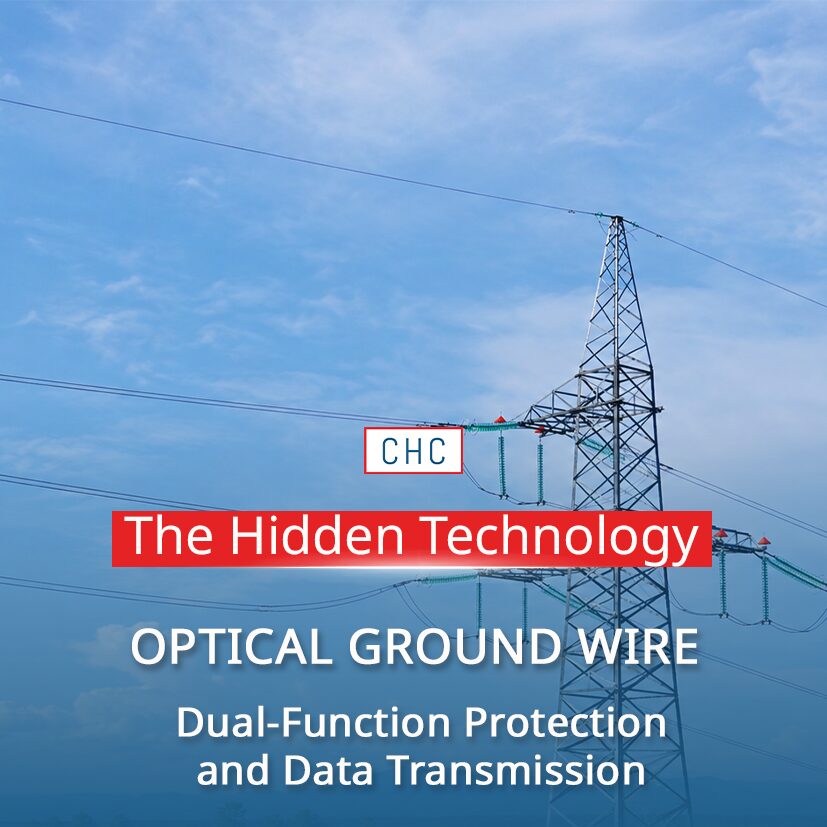
Installing high-voltage conductors requires specialized hydraulic tensioners and pullers to maintain precise cable sag and tension without causing strand damage. Installing Optical Ground Wire (OPGW) at the tower top serves a dual purpose: shielding phase conductors from lightning strikes while embedding fiber-optic channels for real-time SCADA grid monitoring and smart grid automation.
Understanding the structural and electrical distinctions among high-voltage transmission line tiers highlights the necessity of partnering with an experienced EPC contractor capable of executing high-voltage engineering across all voltage levels.
Maintaining standard-compliant high-voltage transmission infrastructure requires uncompromising precision and deep field experience. Backed by over 35 years of engineering heritage under SSG Group, CHC Engineering remains committed to building robust high-voltage transmission networks that reinforce national energy stability and power the sustainable economic growth of Thailand.
📞 Tel: 02-248-8130 | 02-248-8131 | 02-248-8132
✉️ Email: bidding@chcengineering.com
🌐 Website: https://chcengineering.com/
🔵 Facebook: CHC Engineering