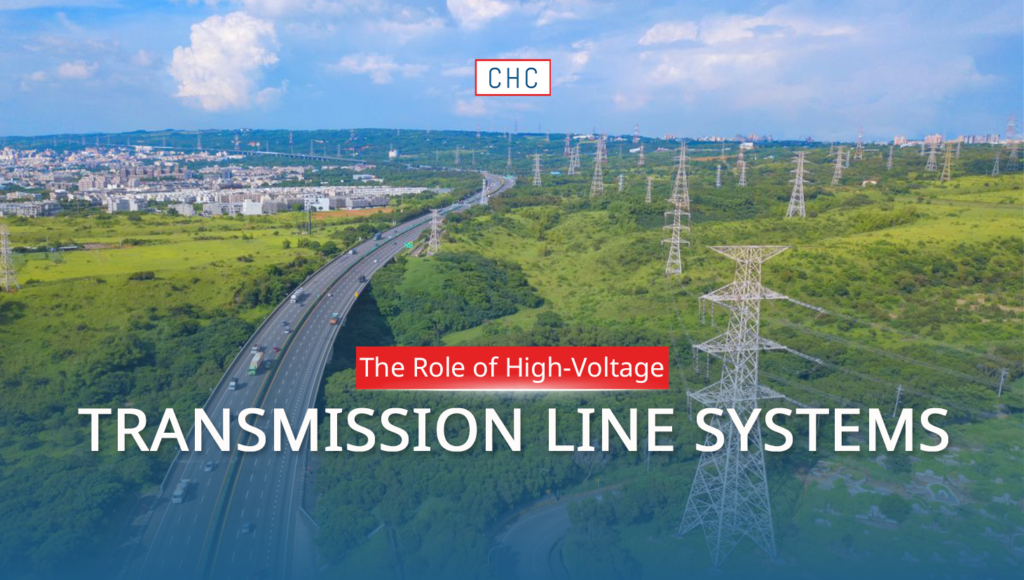
Have you ever wondered how electricity travels hundreds of kilometers to power industrial zones and communities with minimal energy loss? The role of high-voltage transmission line systems is key to making this possible.
A transmission line serves as a high-capacity energy corridor, connecting power generation sources directly to major load centers and regional distribution networks. It efficiently transports bulk electrical power over vast distances to substations—which act as critical interconnection points—before lowering the voltage for regional distribution lines.
In Thailand, the Electricity Generating Authority of Thailand (EGAT) oversees the bulk power transmission network operating at standard voltage levels, including 69 kV, 115 kV, 230 kV, and 500 kV—with 500 kV representing the highest operational capacity to deliver power from major facilities like the Mae Moh Power Plant to Bangkok.
Standard Voltage Level Classifications According to international engineering standards (such as IEC and ANSI), voltage levels are classified into distinct operating ranges
- Low Voltage (LV): Below 1 kV (e.g., 220/380 V)
- Medium Voltage (MV): Below 69 kV (e.g., 11, 12, 22, 24, 33 kV)
- High Voltage (HV): Below 245 kV (e.g., 69, 115, 230 kV)
- Extra High Voltage (EHV): Below 765 kV (e.g., 345, 500 kV)
- Ultra High Voltage (UHV): 765 kV and above
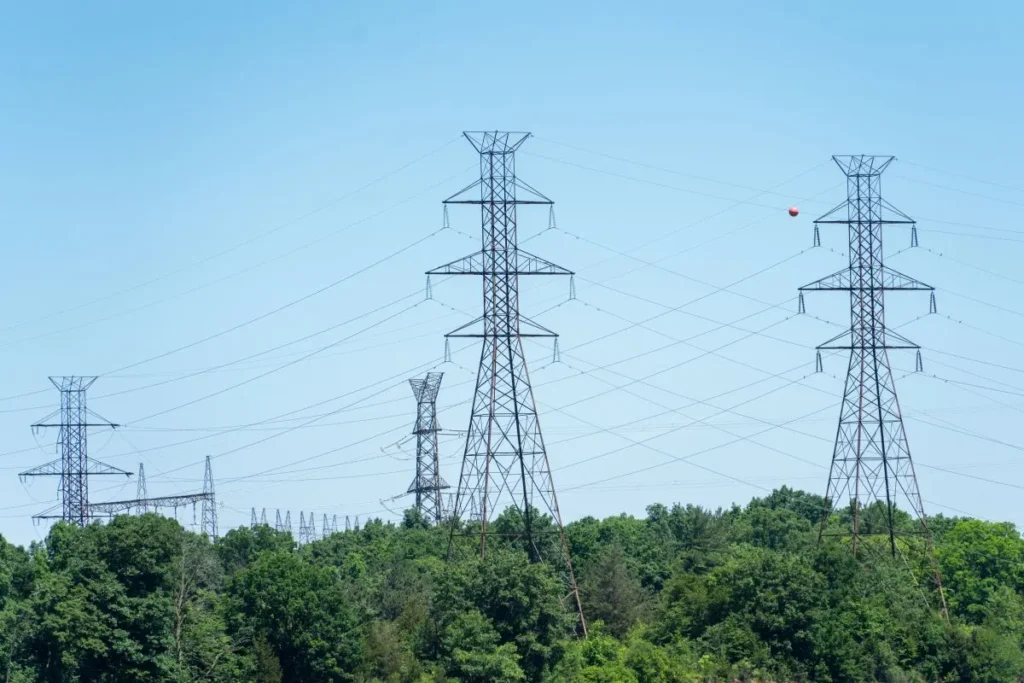
Common Transmission Line Configurations Transmission line configurations are engineered based on land constraints and power transfer requirements:
- Single-Circuit, Single-Conductor: Suitable for lower-voltage transmission or regions with moderate power demand.
- Single-Circuit, Bundled Conductors (N-bundle): Widely utilized in HV and EHV systems (e.g., 230 kV and 500 kV) to relieve electric field stress and mitigate the corona effect on conductor surfaces.
- Double-Circuit, Single-Conductor: Significantly enhances grid reliability—allowing uninterrupted power delivery through one circuit while the other undergoes maintenance or repair.
- Double-Circuit, Bundled Conductors (N-bundle): The industry standard for high-capacity 230 kV and 500 kV corridors where heavy power flow is required within narrow right-of-way (ROW) passages.
- Parallel Circuits: Involves routing two or more independent circuits along the same right-of-way to expand capacity and optimize system stability.
High-voltage transmission infrastructure is far more than physical wiring; it is a complex engineering feat requiring specialized expertise. Adhering to rigorous engineering standards during design, installation, and maintenance is paramount to ensuring national energy security and driving sustainable economic expansion.
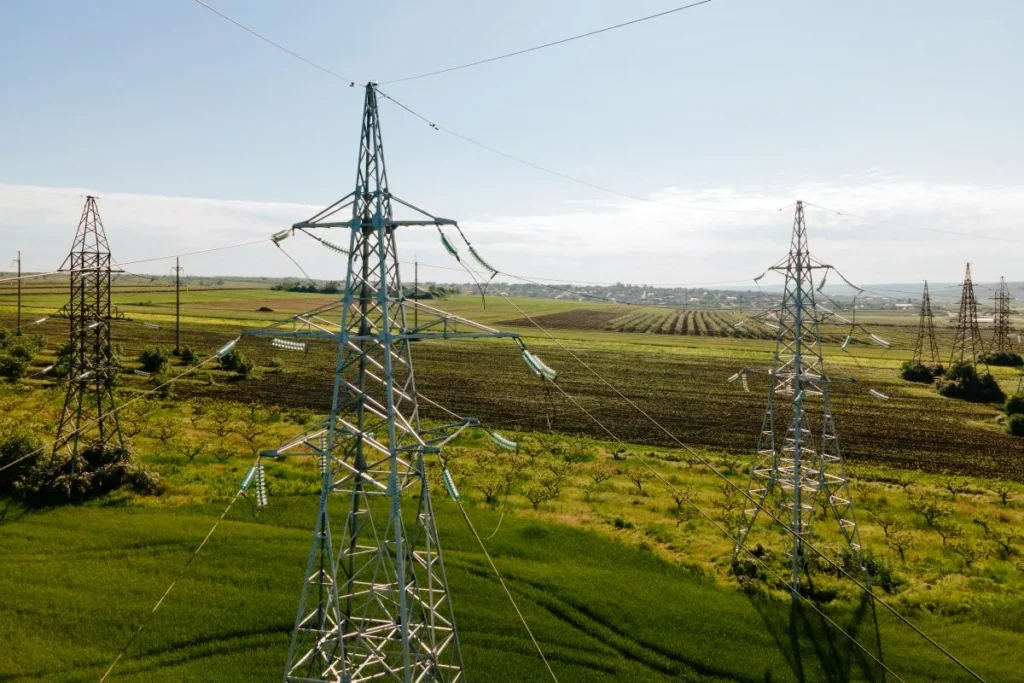
With over 35 years of engineering excellence, CHC Engineering specializes in high-voltage transmission line and distribution line systems operating at standard voltage levels of 115 kV, 230 kV, and 500 kV. We remain dedicated to strengthening energy infrastructure through world-class engineering standards.
📞 Tel: 02-248-8130 | 02-248-8131 | 02-248-8132
✉️ Email: bidding@chcengineering.com
🌐 Website: https://chcengineering.com/
🔵 Facebook: CHC Engineering